
The trailer formula
One long, narrow, single-storey box lifted on a platform, curved roof on top, round windows pressed into service as wheels. Inside, the rules are small-space rules: variations menus, furniture stacked to the ceiling, and a floor plan with no centimetre wasted.
- Elevate a platform first — the trailer sits 'on wheels' you build from round windows
- A curved roof piece sells the aerodynamic nose
- Wide the platform under a raised bed or Paras cannot climb in
- Place skylights last — they jump around while you keep building
- Stairs need a landing before the door; they cannot hit it directly
- There are no vehicles in Early Access — parking is forever
Group 1 · Shell and wheels
A box that pretends to roll
Every trailer build starts the same way: a long, narrow, single-storey box lifted on a platform. The two builds here diverge on charm — one rounds the nose into a cab, one stretches into a proper single-wide — but both sell the lie with the same wheel trick.
- 1
Draw a box, then lift it on a platform
Pixela starts with a plain rectangle, then raises the floor platform so the whole body sits above ground — the lift is what makes a trailer read as a trailer instead of a tiny house. Keep the footprint long and narrow; single-wide proportions do half the work.
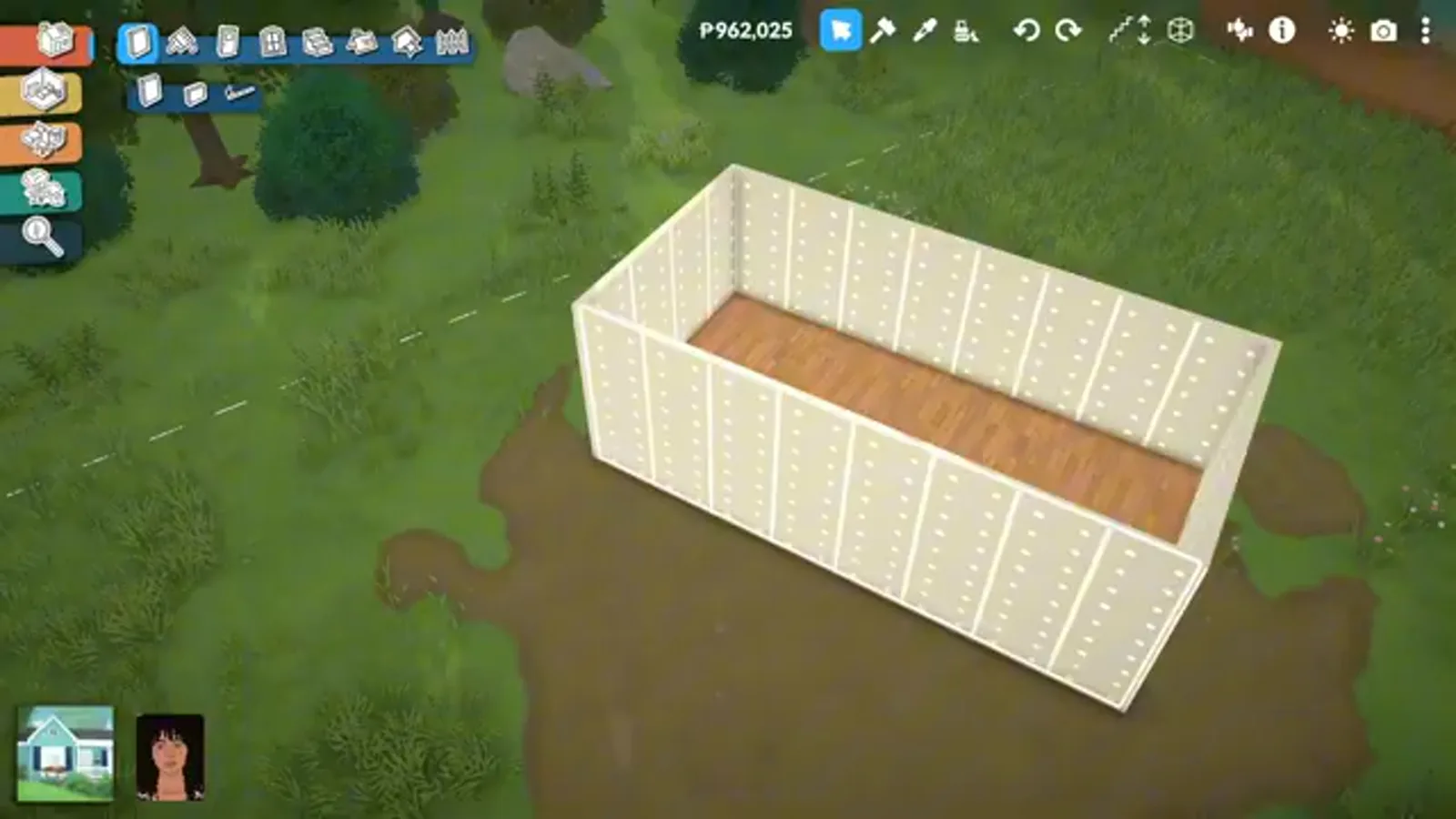
Everything that follows hangs off this lift.Watch at 0:10 - 2
Round the nose into a cab
The driver's cab gets a curved front wall pushed into a half-round — the creator admits it drifted toward 'looking a bit like a boat' before settling. A little shape on the nose is all the aerodynamics a Paralives trailer needs.
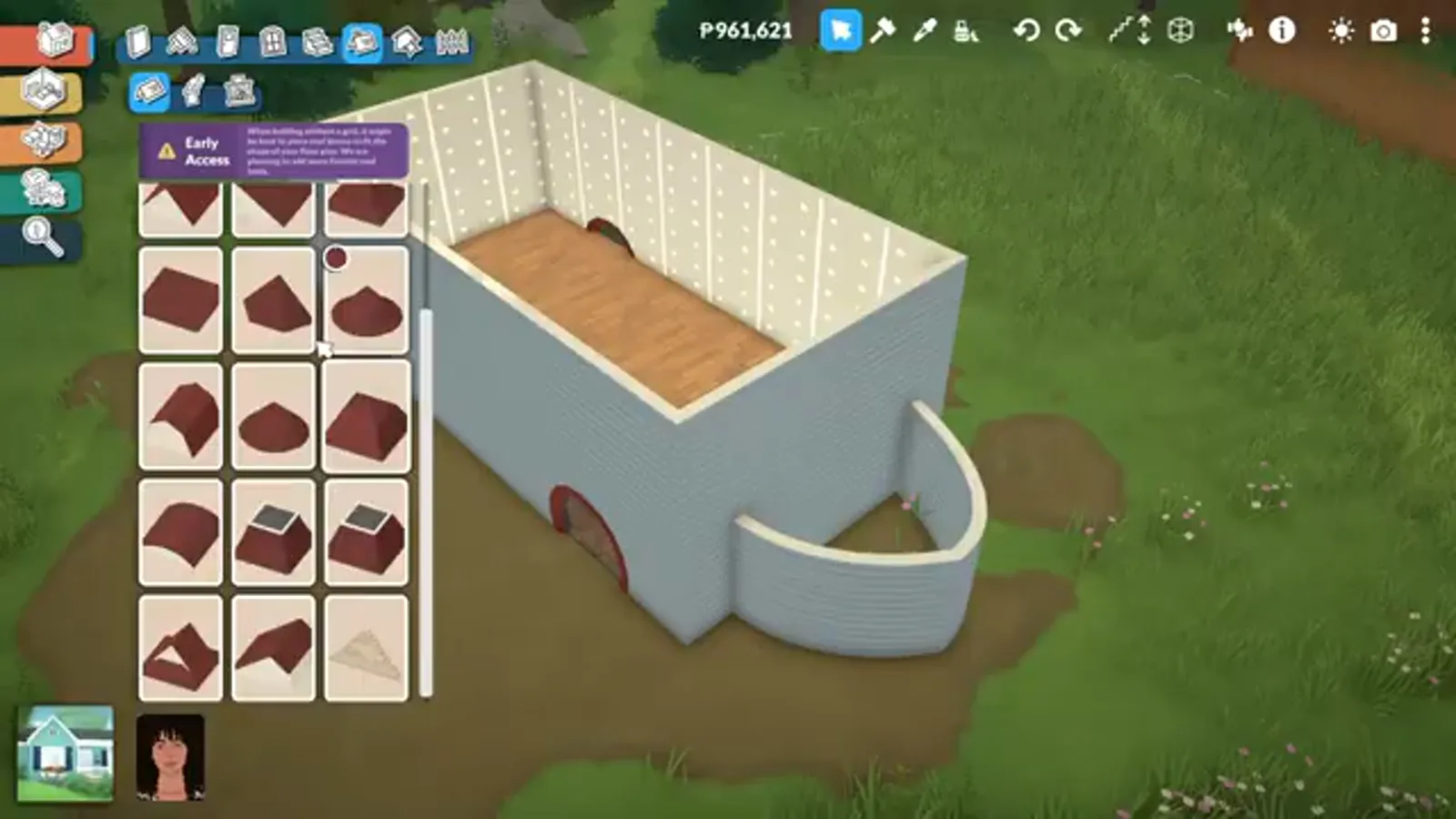
Boat-adjacent, but we persist.Watch at 0:45 - 3
Or go full single-wide on the grid
CharlesTulip builds a replica of a real trailer they lived in, and starts on the grid to nail the proportions: one long body, one shallow pitch. Real trailers are longer and thinner than you remember — measure rooms in tiles, not vibes.
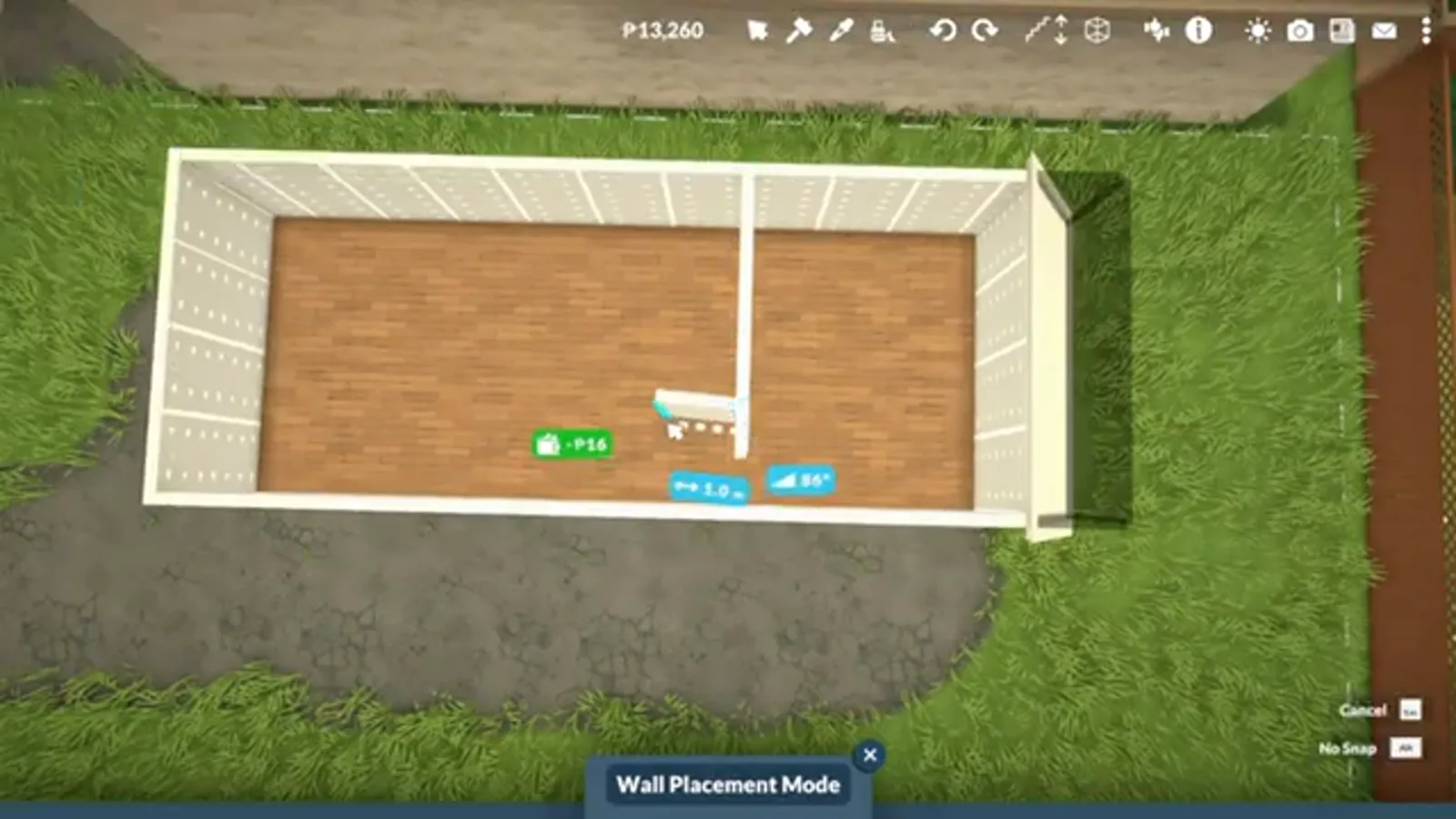
Replica of an actual home, grid-first.Watch at 1:30 - 4
Make wheels from circular windows
The signature trick: Paralives has no wheel objects, so circular windows get placed low on the body, coloured dark, and read perfectly as tires against the platform shadow. Free placement means they can sit anywhere along the flank — spacing them unevenly looks more mechanical, not less.
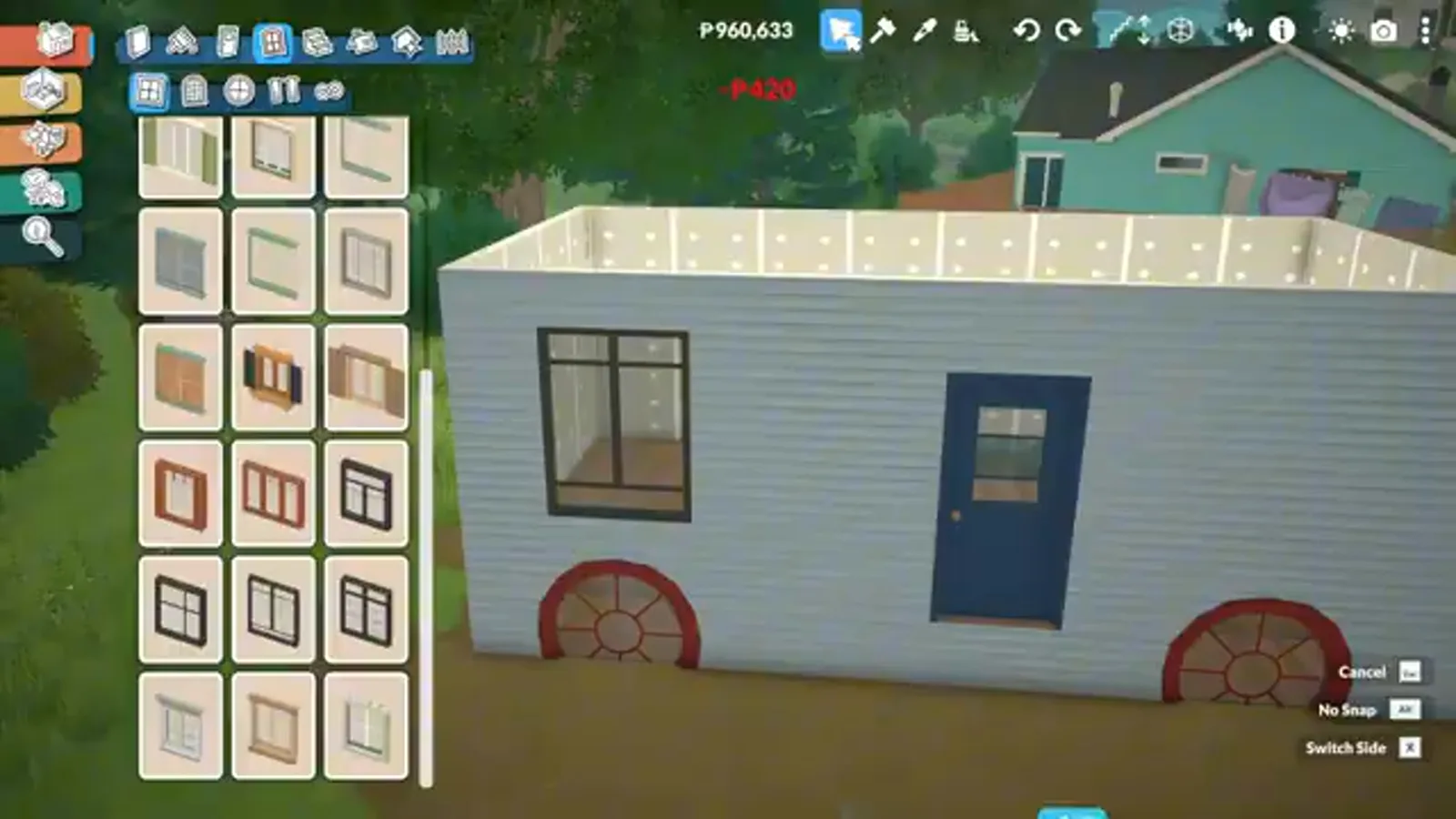
Round windows, dark paint, instant axle.Watch at 1:20 - 5
Cap it with the curved roof
The curved roof piece — the same one from greenhouses and carports — gives the trailer its rounded metal top. CharlesTulip paints it as metal panelling and the walls in wood-look planking, the closest the catalogue gets to aluminium siding.
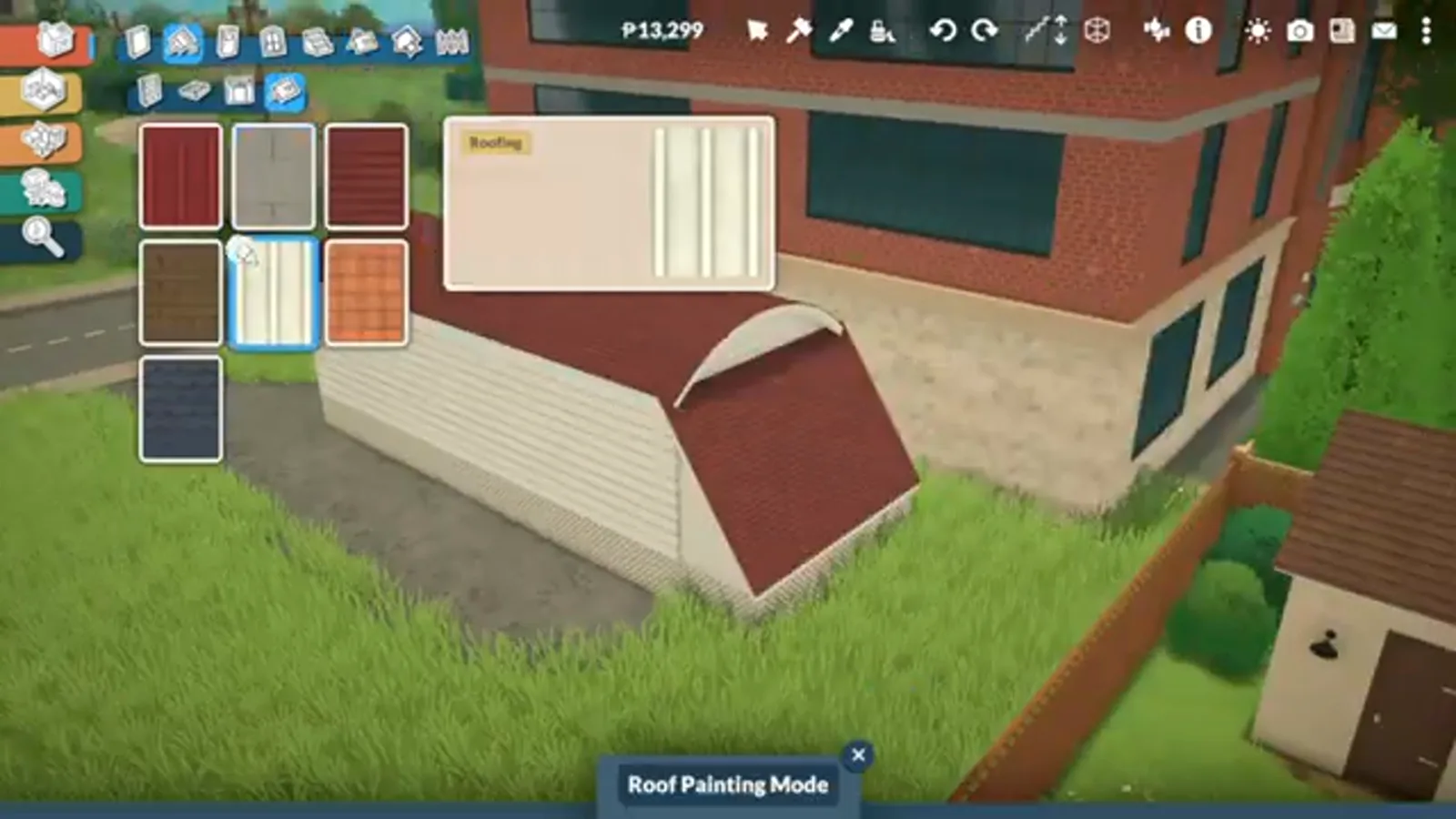
Half cylinder, fully trailer.Watch at 2:30
Group 2 · Curved roofs and skylights
The aerodynamic top
Trailers wear curved metal roofs, and the roof tool has just enough curvature to fake it. The bonus round is a skylight — possible, but only if you place it after everything else, because skylights in Paralives wander while you keep building.
- 6
Cut the skylight hole with four roof pieces
For the skylight, the roof is assembled from four pieces arranged to leave a square hole, adjusted with the transform widget, and a window rotated flat becomes the glass. The hard-won lesson from this build: skylights jump around whenever later building nudges the roof, so finish every other roof piece first and treat the skylight as the final move.
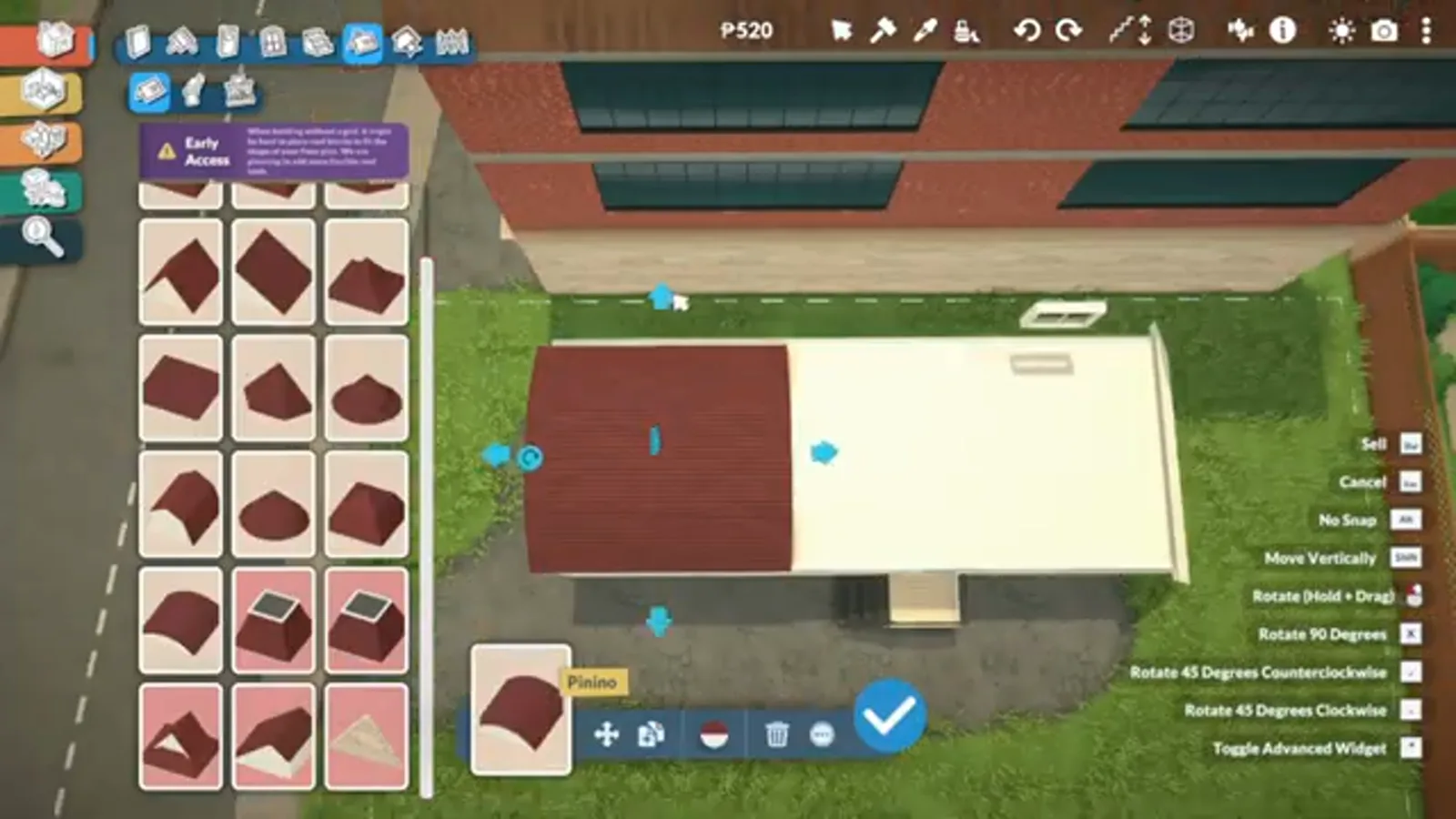
A hole with intent.Watch at 11:50 - 7
The finished single-wide
Curved metal roof, plank walls, a stoop with railings: the replica reads as the real thing precisely because nothing is exaggerated. Trailers are small, flat and humble — resist the urge to gable.
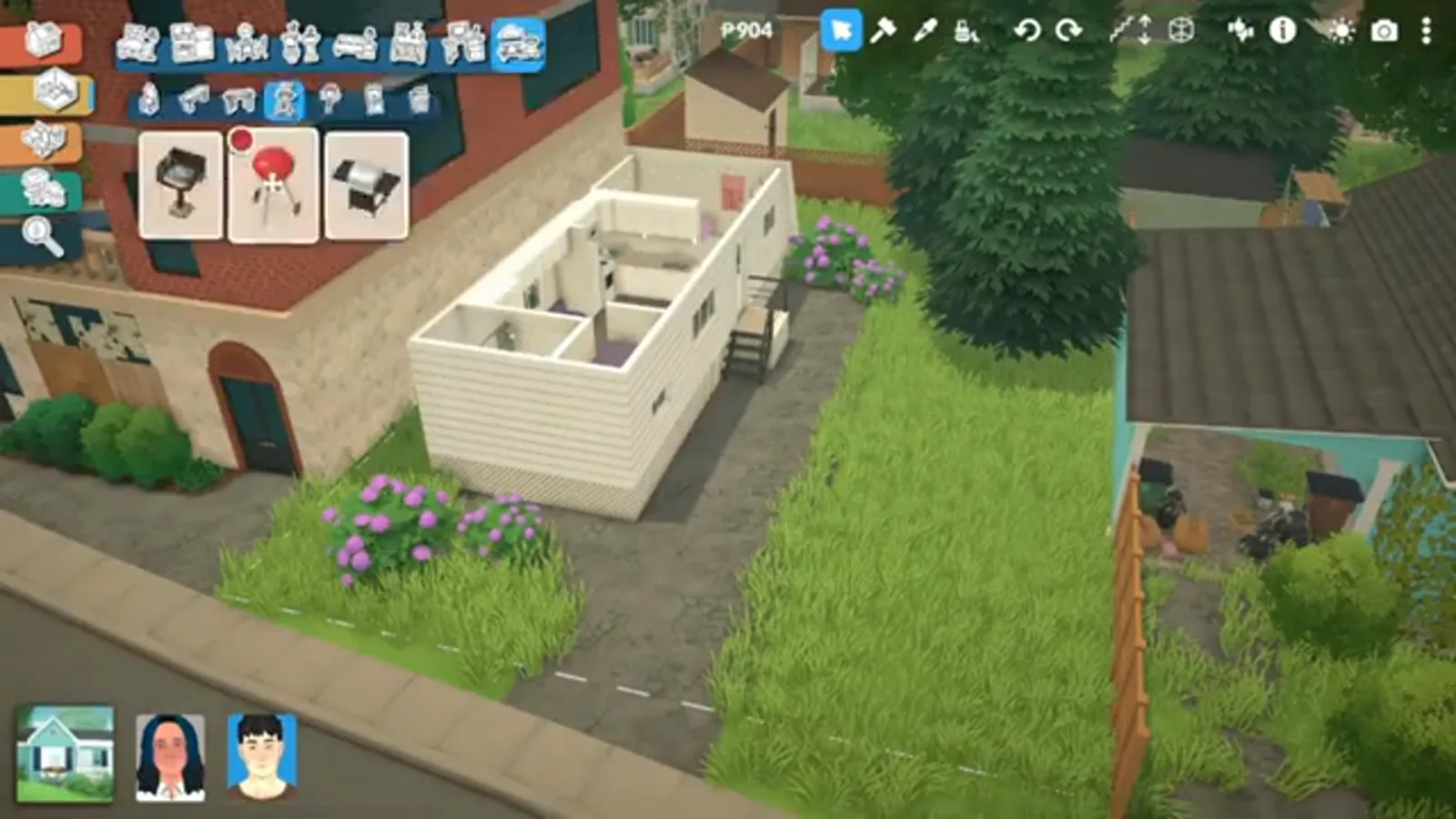
Memory lane, roofed.Watch at 13:50
Group 3 · Small-space interior
Every centimetre argues
A trailer interior is a storage puzzle: variations menus hide compact furniture, colours run warm and slightly dated, and the raised-bed trick comes with a pathing catch that will strand your Para if you build it wrong.
- 8
Use the three-dot variations in the kitchen
Anything with three dots on its catalogue card has extra forms — drawer fronts, shorter bodies, different doors. In a trailer kitchen the compact variants are the difference between a working galley and a traffic jam.
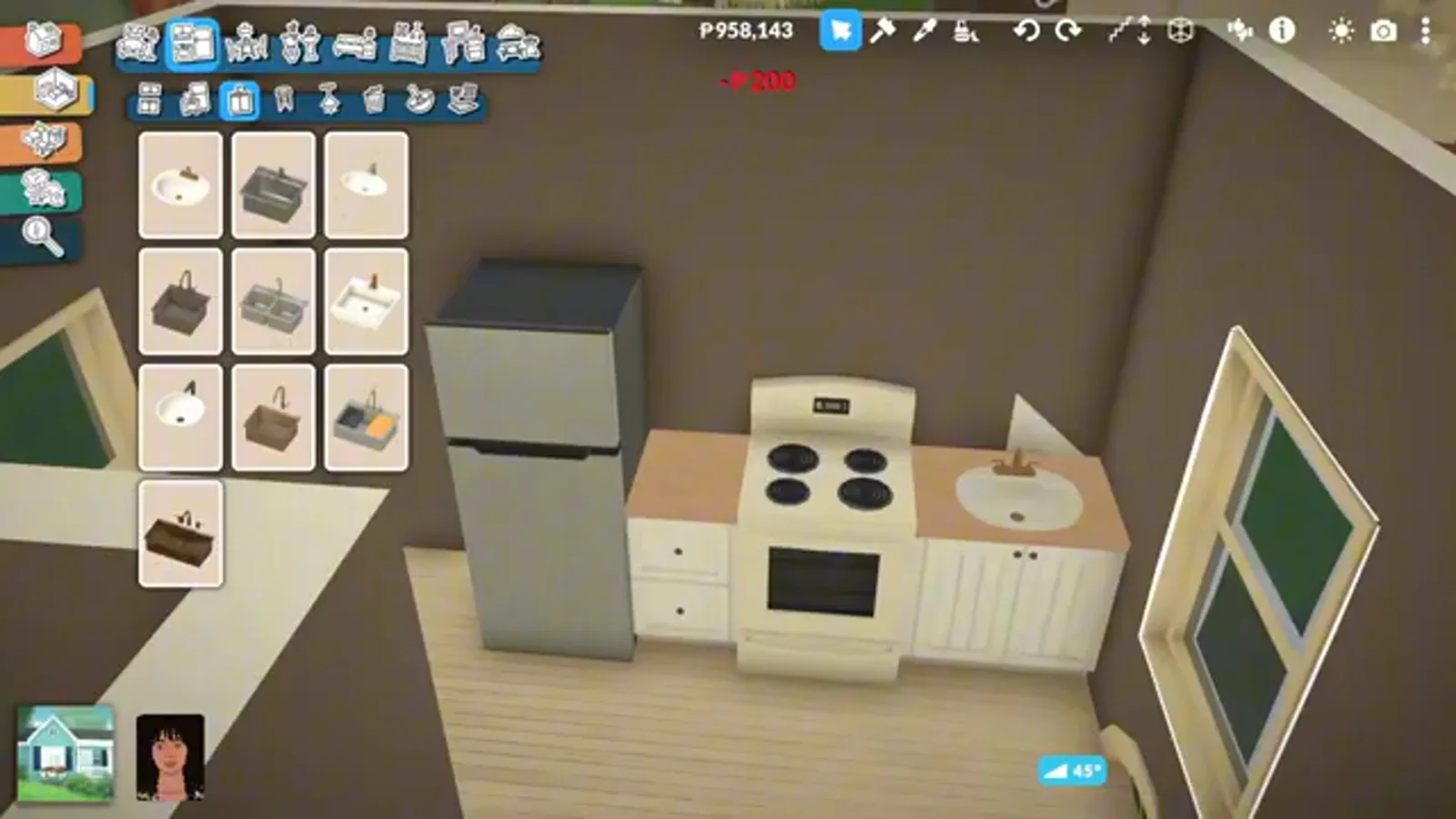
Small kitchens live in this menu.Watch at 2:20 - 9
Paint warm, slightly dated walls
Pixela goes warm yellow inside with a brick-look backsplash behind the galley, then admits the first grey attempt 'felt too dull'. Trailer interiors read best a shade warmer and a decade older than you planned.
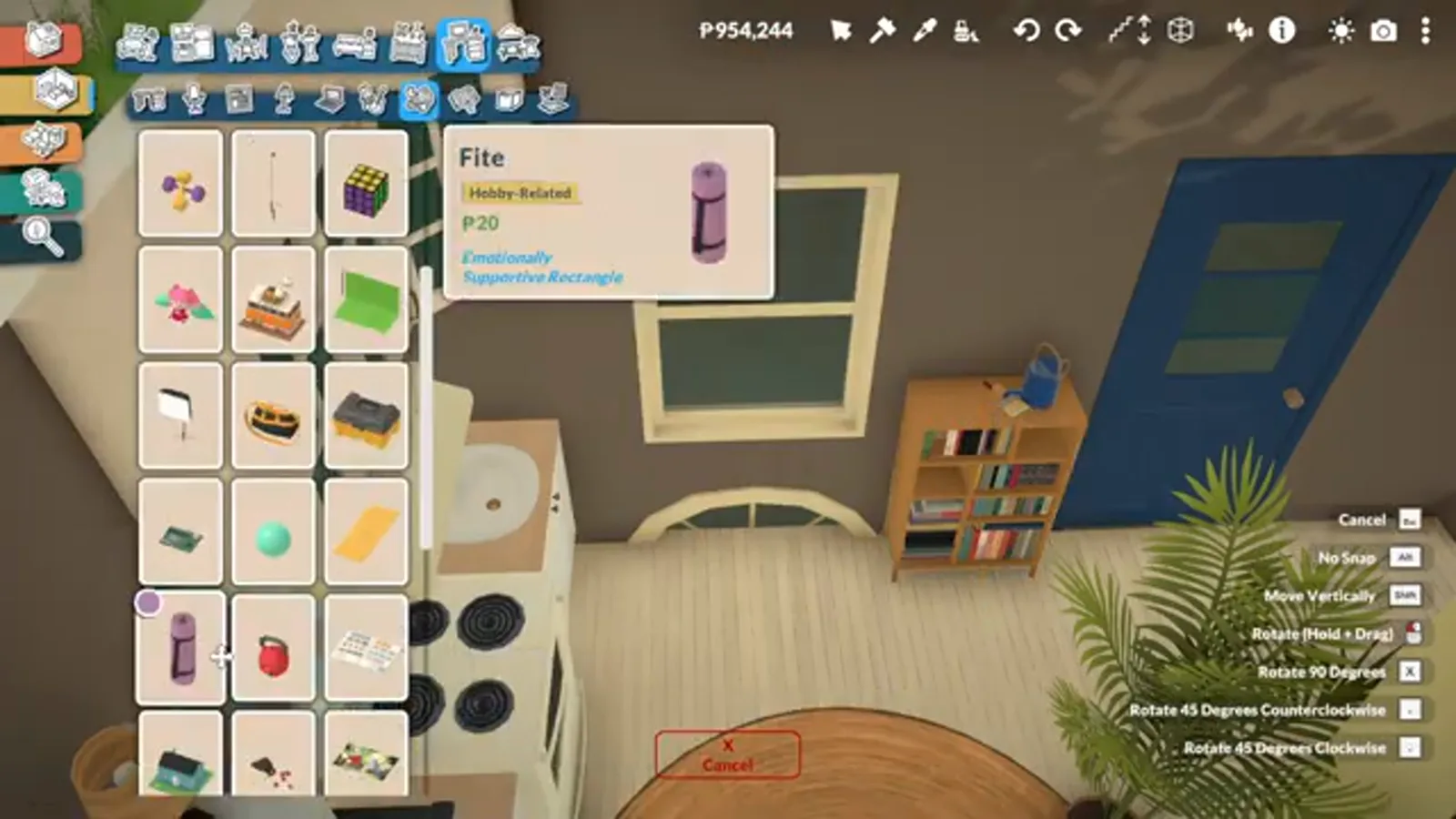
Dated on purpose.Watch at 3:55 - 10
Commit to the L-shaped couch
One L-shaped couch against the walls does seating, storage edge and room divider at once. In a floor plan this narrow, a straight sofa plus coffee table would block the walkway — the L keeps traffic flowing around the corner.
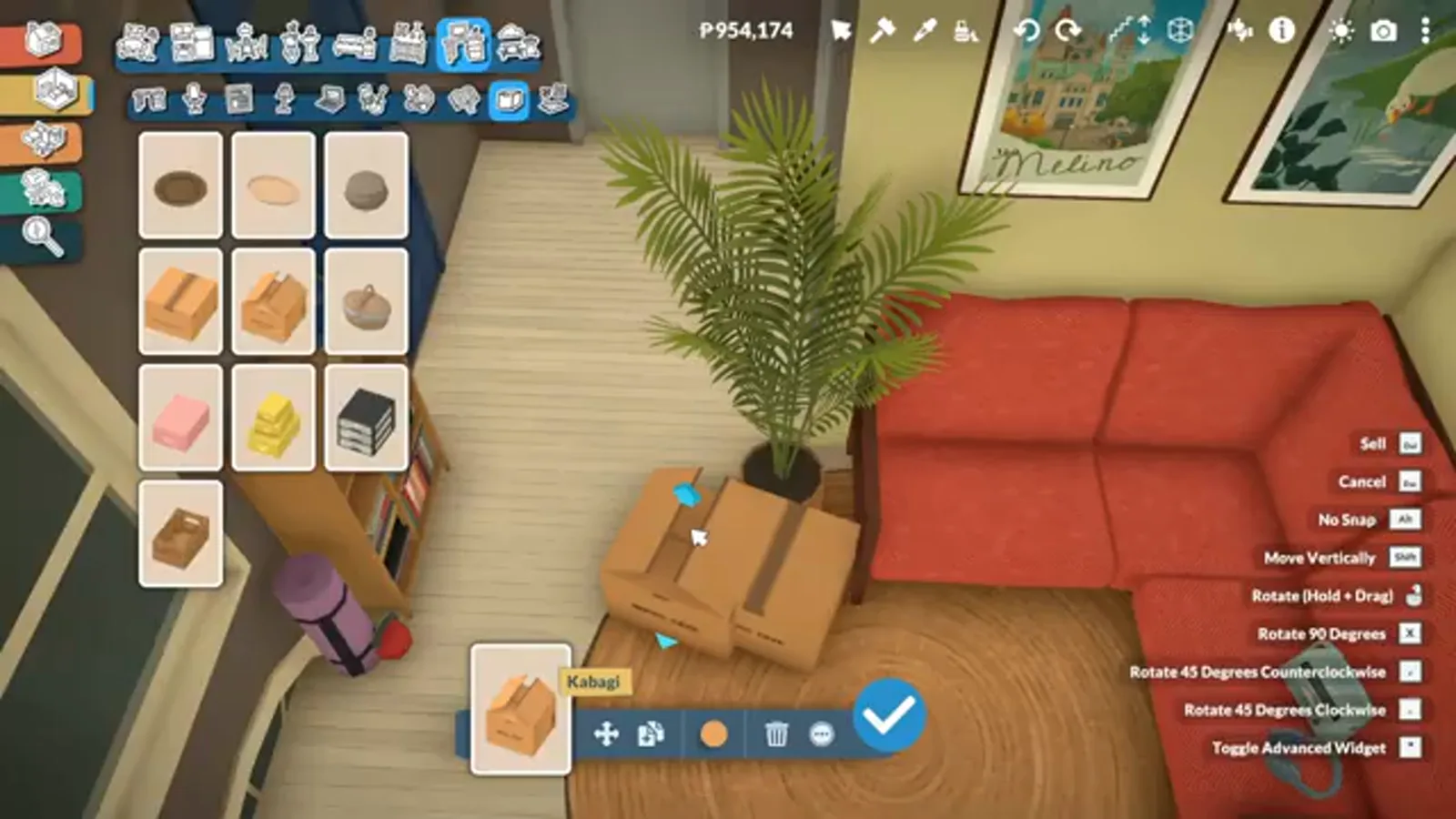
Corner seating, zero wasted metres.Watch at 4:15 - 11
Know the platform-bed pathing catch
Put the bed on a raised platform and a Para may climb the platform but refuse the bed — the side of the bed needs standing room. CharlesTulip's fix: widen the platform to the full alcove so there is a walkway beside the mattress. Test in live mode before decorating.
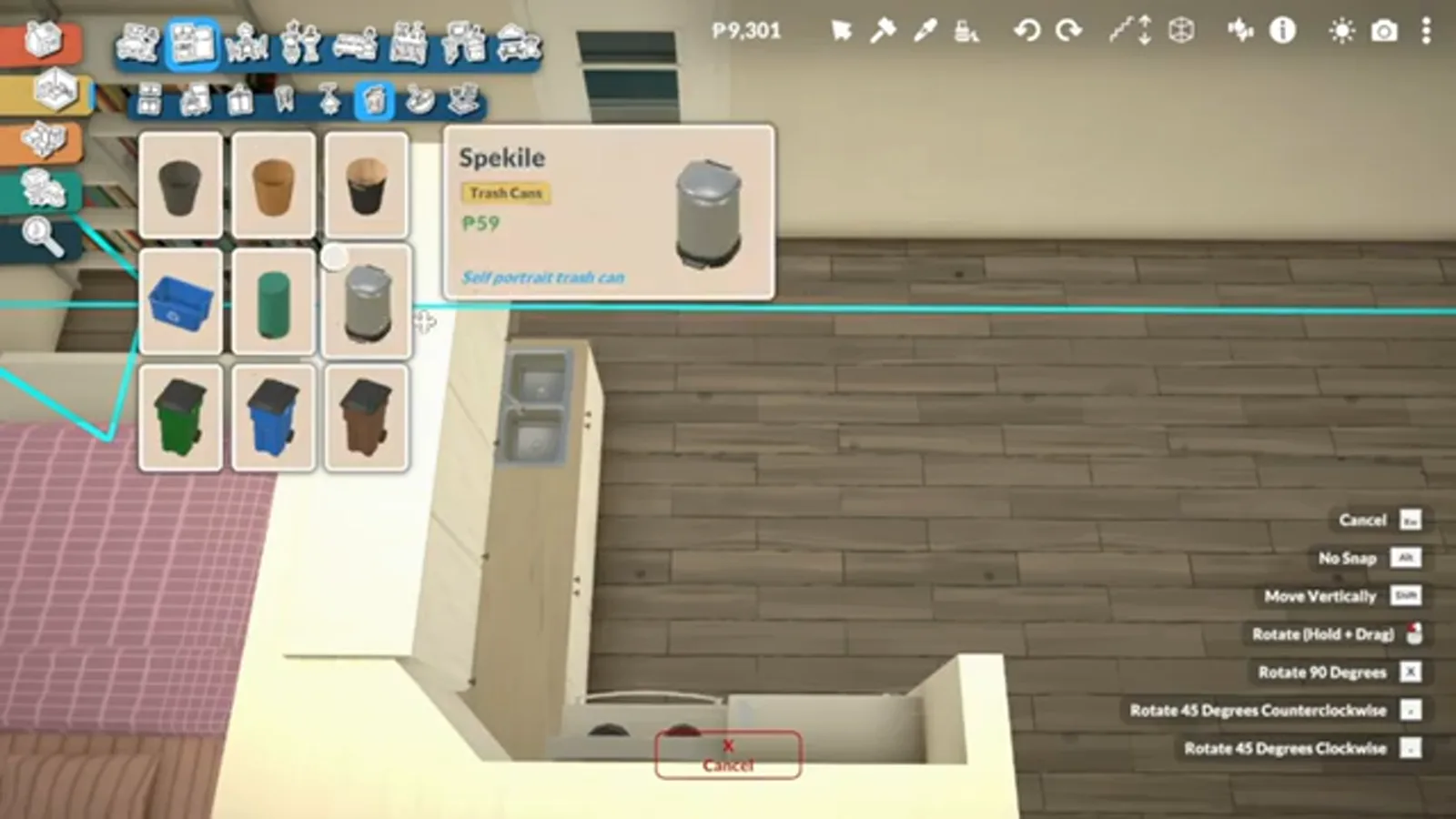
The Para needs somewhere to stand.Watch at 5:10 - 12
Try a bunk nook — with honest limits
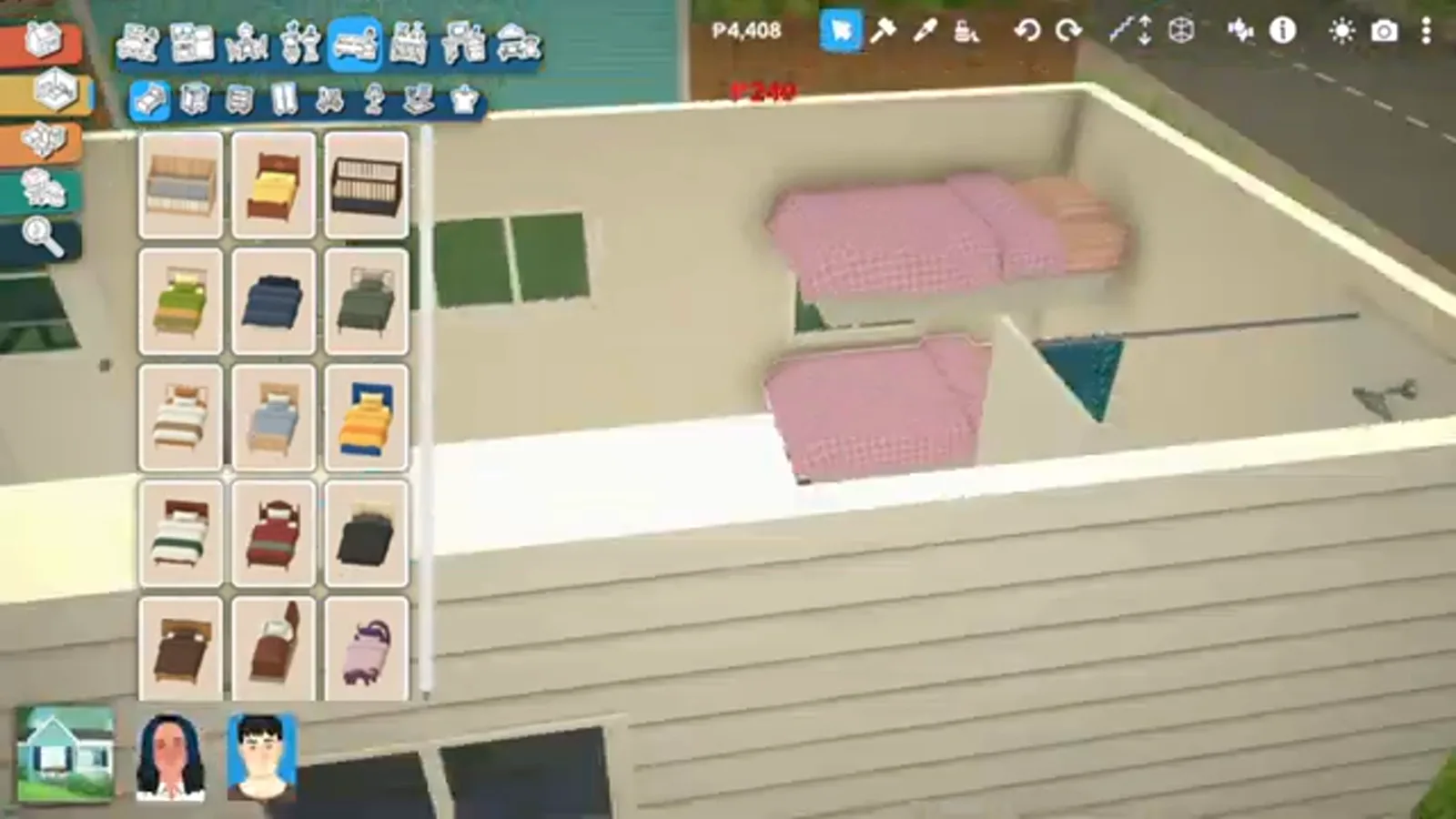
A shortened window with a second bed placed above it fakes a bunk nook, and it looks great. The honest caveat from the same build: Paras only use the lower bed, and enclosing either bunk with walls makes it unusable. Decorative bunks work; functional ones do not exist yet.
Bunk vibes, single occupancy.Watch at 6:40
Group 4 · The lot around it
Parking with pride
A trailer needs a stoop, a grill and somewhere ugly to store things. The lot work is light — one porch with a landing, some outdoor clutter — and the finished object reads as mobile even though it will never move.
- 13
Give the stairs a landing
Stairs cannot run directly to a trailer door — they need a small deck as a landing first, then the door. A two-step platform with railings also solves the height difference the platform lift created, and doubles as the stoop every trailer deserves.
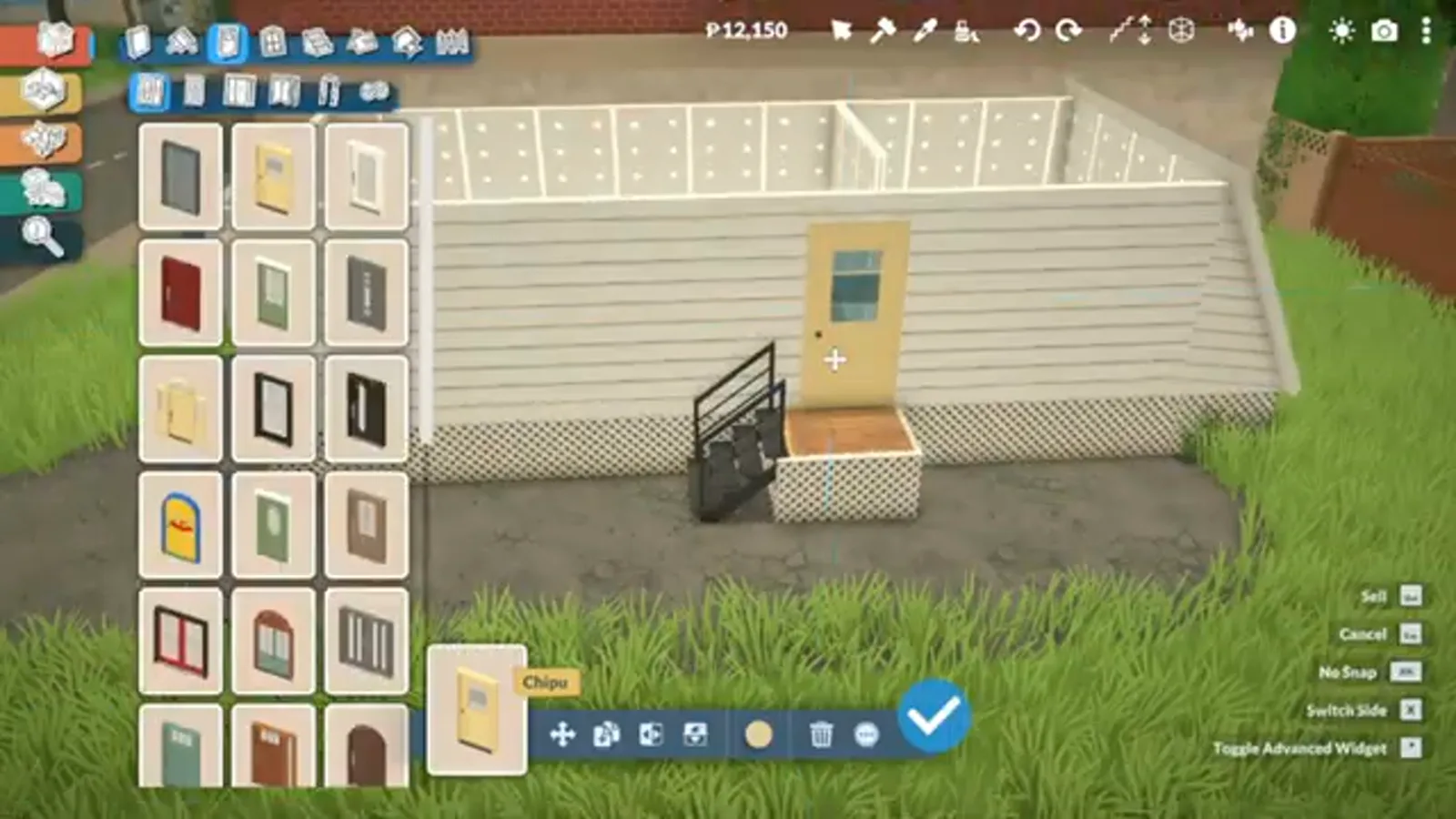
No direct hits; land first.Watch at 4:00 - 14
Park some clutter outside
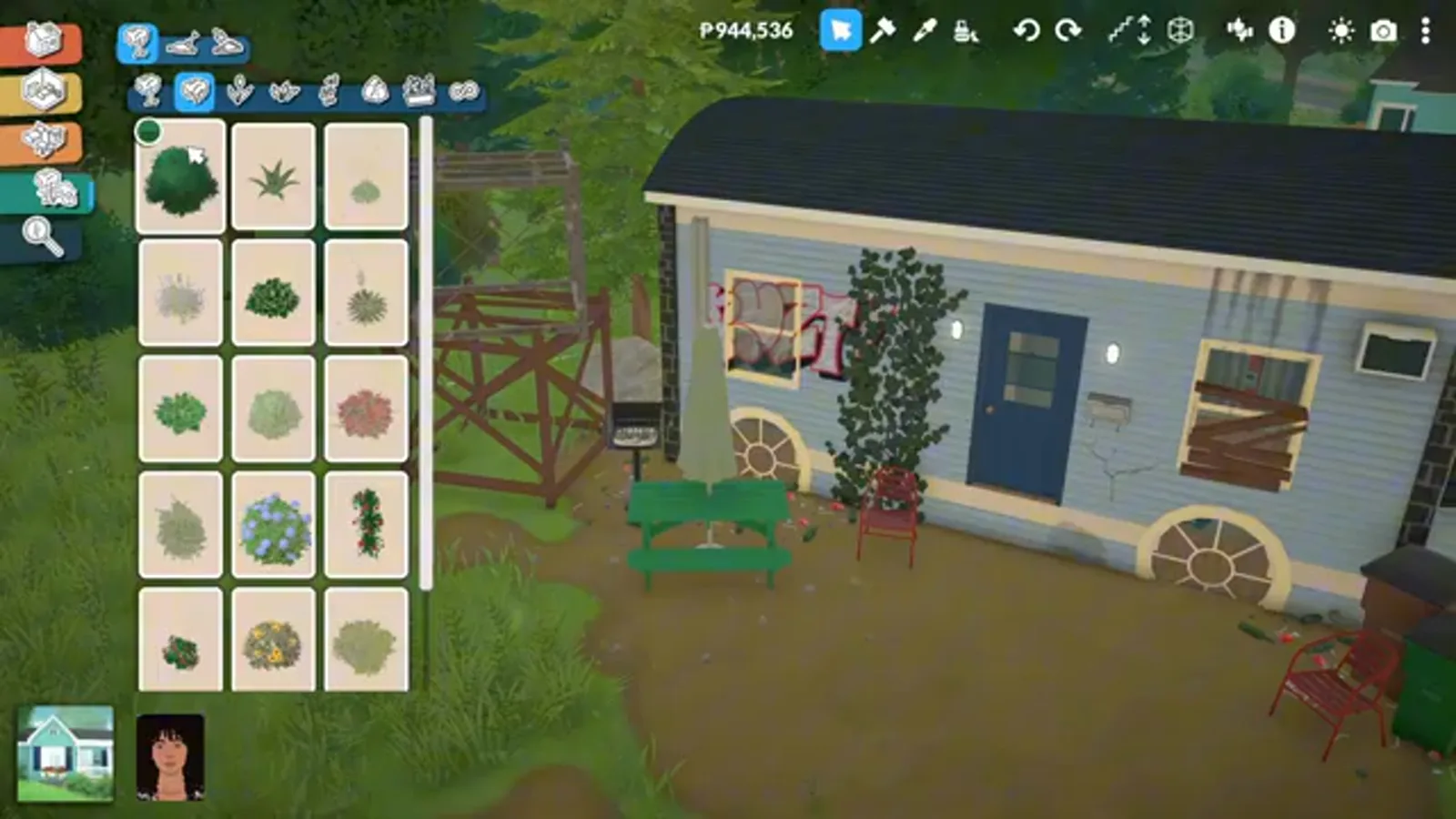
A barbecue, a picnic table, the bins and a climbing rose on a trellis turn a parking spot into a yard. Trailer lots live or die on this layer — the building says small, the clutter says loved.
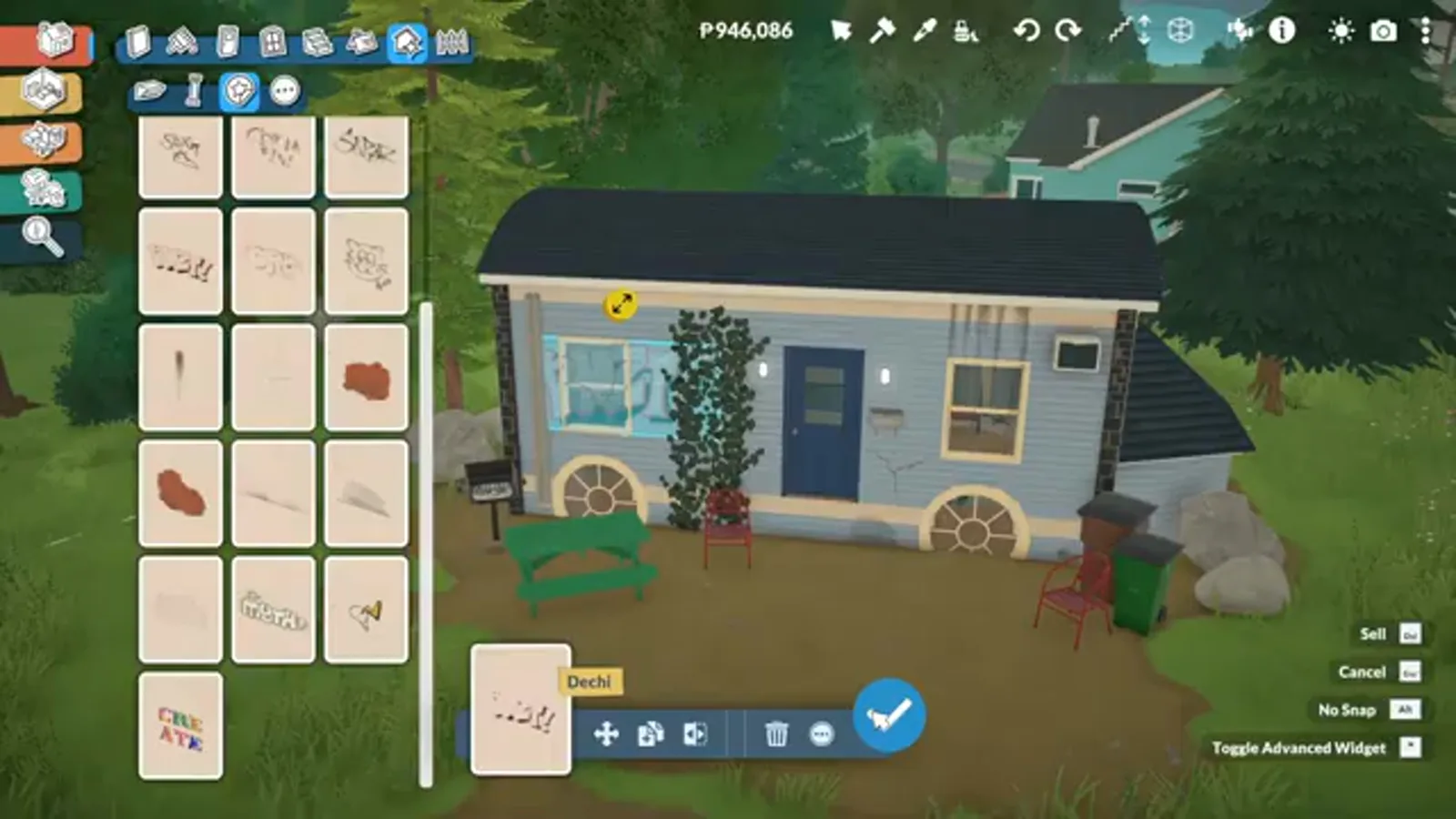
Small home, lived-in lot.Watch at 10:00 - 15
The finished cozy trailer
Blue paneling, round-window wheels, the rose over the door: the final shot sells the whole illusion. It will never tow anywhere — Paralives has no vehicles — but as a first home for two Parafolk, it is complete.
Immobilised, but home.Watch at 10:20
Mobile home FAQ
- Does Paralives have cars or drivable vehicles?
- No. Early Access has no vehicles of any kind — the wiki lists transportation among planned features, and builders work around it with bikes as decor. That is also why trailers are set dressing: nothing in Paralives can tow, drive or roll.
- Is there a trailer or mobile home lot type?
- No. A mobile home is an ordinary lot with a deliberately narrow, lifted build on it. There is no special zoning, no trailer-park neighbourhood type, and nothing official marks the lot as mobile — the read is entirely visual.
- Why can't my Para get into the bed on the platform?
- Raised beds need a walkable strip beside the mattress for the climb-in. If the platform ends flush with the bed, Parafolk climb up and then give up. The fix from this guide's second build: stretch the platform across the whole alcove so there is standing room on at least one side, then test it in live mode.
- Can you make functional bunk beds in Paralives?
- Not yet. You can stack or elevate a second bed as decor — the bunk nook in this guide does exactly that — but Parafolk only sleep in beds they can path to normally, and the game's wiki lists proper bunk beds among features planned after Early Access. Build the look; manage the expectation.
- Can I build a whole trailer park?
- Not as a neighbourhood — Paralives has one household per lot. What does work: a single large lot holding several trailer builds separated by fences and shared yards, or a row of trailer homes on adjacent lots in the same street. The town itself only changes through the town-editing tools covered in our create-a-world guide.
Keep building
Tiny house build guide
The stationery sibling: same small-space rules, no wheels required.
Starter home build guide
First homes with a bigger footprint — budgeted, needs-checked, expandable.
Decks & patios guide
The landing, the stoop and the yard: outdoor platforms done properly.
Fences: the full guide
Lot dividers for your trailer park dreams — placement, arcs and the gate situation.
Terrain tools guide
Level the pad before you park: raising, lowering and painting the ground.
All build guides
Every walkthrough and technique page on the site, one shelf.